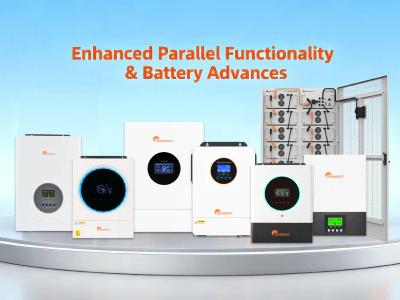
Are you tired of dealing with the limited lifespan and environmental hazards of traditional lead-acid batteries? Look no further! In this article, we will be exploring the revolutionary advantages of lithium-ion LiFePO4 batteries. From longer lifespan to lighter weight, and improved energy efficiency, these batteries are a game changer in the world of energy storage. Read on to discover how you can benefit from making the switch to lithium-ion technology.
Understanding the Basics of Lithium-ion LiFePO4 Batteries
Lithium-ion LiFePO4 batteries are a type of rechargeable battery that has gained popularity in recent years due to their numerous advantages over traditional lead-acid batteries. The understanding of the basics of these batteries is essential in order to fully appreciate their benefits and make an informed decision when choosing a power source for various applications.
To begin with, it is important to understand the composition of a lithium-ion LiFePO4 battery. These batteries are made up of lithium iron phosphate (LiFePO4) as the cathode material, which is known for its high energy density, long cycle life, and excellent thermal stability. The anode of the battery is typically made of carbon, while the electrolyte is a lithium salt solution. These components work together to allow the battery to store and release energy efficiently.
One of the key advantages of lithium-ion LiFePO4 batteries is their high energy density. This means that they can store a large amount of energy in a relatively compact and lightweight package, making them ideal for use in portable electronic devices, electric vehicles, and renewable energy storage systems. Additionally, these batteries have a long cycle life, meaning they can be recharged and discharged hundreds or even thousands of times without significant loss of capacity. This makes them a cost-effective and reliable option for long-term use.
Another important aspect of lithium-ion LiFePO4 batteries is their excellent thermal stability. Unlike other types of lithium-ion batteries, LiFePO4 batteries are much less prone to overheating and thermal runaway, which can be a significant safety concern. This makes them a preferred choice for applications where safety is a top priority, such as in electric vehicles and energy storage systems.
In addition to their technical advantages, lithium-ion LiFePO4 batteries also offer environmental benefits. They are free of toxic heavy metals such as lead, cadmium, and mercury, making them a much more sustainable and eco-friendly option compared to traditional lead-acid batteries. Furthermore, the long lifespan of these batteries reduces the need for frequent replacements, further reducing their environmental impact.
In conclusion, the basics of lithium-ion LiFePO4 batteries are essential to understanding their numerous advantages. These batteries offer high energy density, long cycle life, excellent thermal stability, and environmental benefits, making them a superior choice for a wide range of applications. Whether it is used in portable electronics, electric vehicles, or renewable energy storage systems, lithium-ion LiFePO4 batteries are proving to be a reliable and efficient power source for the future.
Comparing the Benefits of LiFePO4 Batteries to Other Battery Types
Lithium-ion LiFePO4 batteries have been gaining increased attention in the energy storage industry due to their numerous advantages over other types of batteries. In this article, we will explore the benefits of LiFePO4 batteries in comparison to other battery types, such as lead-acid, nickel-cadmium, and lithium-ion phosphate batteries.
One of the key advantages of LiFePO4 batteries is their superior energy density. Compared to lead-acid and nickel-cadmium batteries, LiFePO4 batteries have a higher energy density, allowing them to store more energy in a smaller and lighter package. This makes LiFePO4 batteries an ideal choice for applications where space and weight are limited, such as electric vehicles and portable electronic devices.
Another significant benefit of LiFePO4 batteries is their long cycle life. While lead-acid and nickel-cadmium batteries typically have a limited number of charge/discharge cycles, LiFePO4 batteries can endure hundreds, if not thousands, of cycles without significant degradation in performance. This makes them a more cost-effective and reliable option for long-term use, especially in off-grid and renewable energy systems.
In terms of safety, LiFePO4 batteries also have an edge over other battery types. Unlike lithium-ion phosphate batteries, LiFePO4 batteries are inherently safer due to their superior thermal and chemical stability. This means that they are less prone to thermal runaway and the associated risks of fire and explosion. As a result, LiFePO4 batteries are increasingly being used in critical applications where safety is a top priority, such as in medical equipment and aerospace technology.
Furthermore, LiFePO4 batteries are also more environmentally friendly than other battery types. Unlike lead-acid and nickel-cadmium batteries, which contain toxic heavy metals and acids that can harm the environment, LiFePO4 batteries are composed of non-toxic and non-hazardous materials. This makes them easier to recycle and dispose of, reducing their overall impact on the environment.
In addition to these advantages, LiFePO4 batteries also offer faster charging and discharging capabilities compared to lead-acid and nickel-cadmium batteries. This means that they can be recharged more quickly and deliver power more efficiently, making them a highly desirable choice for high-performance applications, such as grid-scale energy storage and electric powertrains.
In conclusion, the benefits of LiFePO4 batteries make them a superior choice in comparison to other battery types. From their high energy density and long cycle life to their safety and environmental advantages, it is clear that LiFePO4 batteries are leading the way in energy storage technology. As the demand for energy storage solutions continues to grow, it is likely that LiFePO4 batteries will play an increasingly important role in meeting the needs of a sustainable and electrified future.
Exploring the Long-lasting and Energy-efficient Nature of LiFePO4 Batteries
Lithium-ion LiFePO4 batteries have increasingly gained attention in recent years for their long-lasting and energy-efficient nature. These batteries, also known as lithium iron phosphate batteries, have become popular for a wide range of applications due to their superior performance and reliability.
One of the main advantages of LiFePO4 batteries is their impressive longevity. Unlike traditional lead-acid batteries, which have a limited lifespan, LiFePO4 batteries can last for thousands of charge cycles, making them an ideal choice for long-term use. This feature is particularly beneficial for high-demand applications such as electric vehicles, renewable energy storage systems, and portable electronic devices.
In addition to their long lifespan, LiFePO4 batteries are known for their exceptional energy efficiency. These batteries have a high energy density, meaning they can store a large amount of energy in a relatively small and lightweight package. This makes them an attractive option for mobile and remote power applications, where space and weight are important factors.
Moreover, LiFePO4 batteries are inherently safe and stable. Unlike other types of lithium-ion batteries, such as lithium cobalt oxide (LiCoO2) batteries, LiFePO4 batteries are much less prone to thermal runaway and thermal decomposition, which can result in fire or explosion. This makes them a safer choice for use in various environments, including automotive, marine, and industrial settings.
Furthermore, LiFePO4 batteries are environmentally friendly. They do not contain heavy metals, such as lead, mercury, or cadmium, which are harmful to the environment. Additionally, the manufacturing process of LiFePO4 batteries produces fewer harmful by-products compared to other types of lithium-ion batteries, further reducing their environmental impact.
Another key advantage of LiFePO4 batteries is their rapid charging capabilities. These batteries can be charged at a much faster rate than traditional lead-acid batteries, saving time and increasing overall efficiency. This makes them an ideal choice for applications where quick recharging is essential, such as electric vehicle infrastructure and portable electronic devices.
In conclusion, the long-lasting and energy-efficient nature of lithium-ion LiFePO4 batteries makes them an attractive choice for a wide range of applications. Their impressive lifespan, energy efficiency, safety, environmental friendliness, and rapid charging capabilities set them apart from other battery technologies, making them a popular choice for both consumer and industrial use. As research and development in battery technology continue to advance, LiFePO4 batteries are likely to play an increasingly significant role in shaping the future of energy storage and mobile power solutions.
The Environmental Advantages of Using LiFePO4 Batteries
Lithium-ion LiFePO4 batteries are becoming increasingly popular due to their numerous advantages, particularly in terms of the environment. These batteries use lithium iron phosphate (LiFePO4) as the cathode material, making them more environmentally friendly than traditional lithium-ion batteries. This article will explore the environmental benefits of using LiFePO4 batteries, covering aspects such as resource extraction, energy efficiency, and recyclability.
One of the key environmental advantages of LiFePO4 batteries lies in the materials used to manufacture them. Unlike traditional lithium-ion batteries, which often use cobalt or nickel in their cathodes, LiFePO4 batteries use iron, which is abundant and widely available. This reduces the environmental impact of resource extraction, as well as the potential for human rights abuses in the mining of cobalt, a material often associated with unethical labor practices.
Furthermore, the manufacturing process of LiFePO4 batteries is less energy-intensive compared to traditional lithium-ion batteries. This means that less energy is required to produce a LiFePO4 battery, resulting in a lower carbon footprint. Additionally, the longer lifespan of LiFePO4 batteries compared to other lithium-ion variants means that they need to be replaced less frequently, further reducing the environmental impact of battery production.
In terms of energy efficiency, LiFePO4 batteries also have an edge over other lithium-ion batteries. Their higher energy density allows them to store and deliver more power for the same size and weight, making them more efficient in a variety of applications. This means that devices using LiFePO4 batteries can operate for longer periods on a single charge, reducing the overall energy consumption and environmental impact.
Another important aspect to consider is the recyclability of LiFePO4 batteries. These batteries are relatively simple to recycle, with the key components being iron, phosphate, and lithium. This means that the materials used in LiFePO4 batteries can be recovered and reused, reducing the demand for raw materials and the environmental impact of mining and manufacturing. In contrast, traditional lithium-ion batteries are often more complex and difficult to recycle, leading to a higher likelihood of hazardous waste and environmental pollution.
Overall, the environmental advantages of using LiFePO4 batteries make them an attractive choice for a wide range of applications. From consumer electronics to electric vehicles and renewable energy storage, these batteries offer a more sustainable and eco-friendly alternative to traditional lithium-ion options. As technology continues to advance and the demand for energy storage solutions grows, LiFePO4 batteries are poised to play a key role in reducing the environmental impact of our energy consumption. By choosing LiFePO4 batteries, consumers and industries alike can contribute to a cleaner and more sustainable future for our planet.
Applications and Future Potential of Lithium-ion LiFePO4 Batteries
Lithium-ion LiFePO4 batteries have been making waves in the world of energy storage and are quickly becoming a go-to choice for a wide range of applications. From consumer electronics to electric vehicles, these batteries are gaining popularity due to their numerous advantages and promising future potential.
One of the key applications of lithium-ion LiFePO4 batteries is in the realm of consumer electronics. These batteries are commonly used in smartphones, laptops, and other portable devices due to their high energy density, lightweight design, and long cycle life. They are also known for their fast charging capabilities, making them a convenient choice for on-the-go consumers who rely on their devices for work and entertainment.
In addition to consumer electronics, lithium-ion LiFePO4 batteries are also gaining traction in the automotive industry. As the demand for electric vehicles (EVs) continues to rise, these batteries are being used to power the next generation of clean and efficient transportation. With their high energy density and thermal stability, lithium-ion LiFePO4 batteries are a safe and reliable choice for powering EVs, providing long-range capabilities and quick charging times.
Another promising application of lithium-ion LiFePO4 batteries is in the renewable energy sector. With the increasing adoption of solar and wind power, there is a growing need for efficient energy storage solutions. LiFePO4 batteries are well-suited for this task, as they can store large amounts of energy and deliver it when needed, helping to stabilize the grid and maximize the use of renewable resources.
Looking to the future, the potential of lithium-ion LiFePO4 batteries is vast. As researchers and manufacturers continue to improve the technology, these batteries are expected to become even more efficient, affordable, and sustainable. With ongoing advancements in materials and manufacturing processes, the energy density and cycle life of LiFePO4 batteries are likely to increase, making them an even more attractive option for a wide range of applications.
In conclusion, the future of lithium-ion LiFePO4 batteries looks bright, with their applications spanning from consumer electronics to electric vehicles and renewable energy storage. As the technology continues to evolve, these batteries are poised to play a crucial role in shaping a more sustainable and energy-efficient future. Whether it’s powering our devices, driving us towards a greener transportation system, or storing renewable energy, lithium-ion LiFePO4 batteries are proving to be a valuable and versatile solution for the world’s energy needs.
Conclusion
In conclusion, the advantages of lithium-ion LiFePO4 batteries are clear and undeniable. With their longer lifespan, improved safety, and superior performance, these batteries are the future of energy storage technology. As a company with 10 years of experience in the industry, we have seen firsthand the transformative impact these batteries have had on the market. As the demand for clean and sustainable energy solutions continues to grow, it is clear that lithium-ion LiFePO4 batteries will play a vital role in shaping the future of energy storage. We are excited to continue leading the charge in this innovative industry and look forward to seeing the positive impact these batteries will have on our world.