Are you considering investing in a renewable energy system for your home or business? One key component to consider is the use of an on and off grid inverter. In this article, we will explore the numerous advantages of incorporating this technology into your renewable energy system. Whether you are looking to reduce your carbon footprint, save on energy costs, or simply gain more energy independence, the on and off grid inverter has much to offer. Read on to learn more about how this technology can revolutionize the way you harness and utilize renewable energy.
Understanding the Need for On and Off Grid Inverters in Renewable Energy Systems
Renewable energy systems, such as solar panels and wind turbines, have gained popularity in recent years due to the growing concern for environmental sustainability and the increasing demand for clean and sustainable energy sources. However, the effectiveness of these renewable energy systems largely depends on the type of inverter used to convert the direct current (DC) generated by the system into usable alternating current (AC) power. In this article, we will explore the need for both on and off grid inverters in renewable energy systems and the advantages they bring to the table.
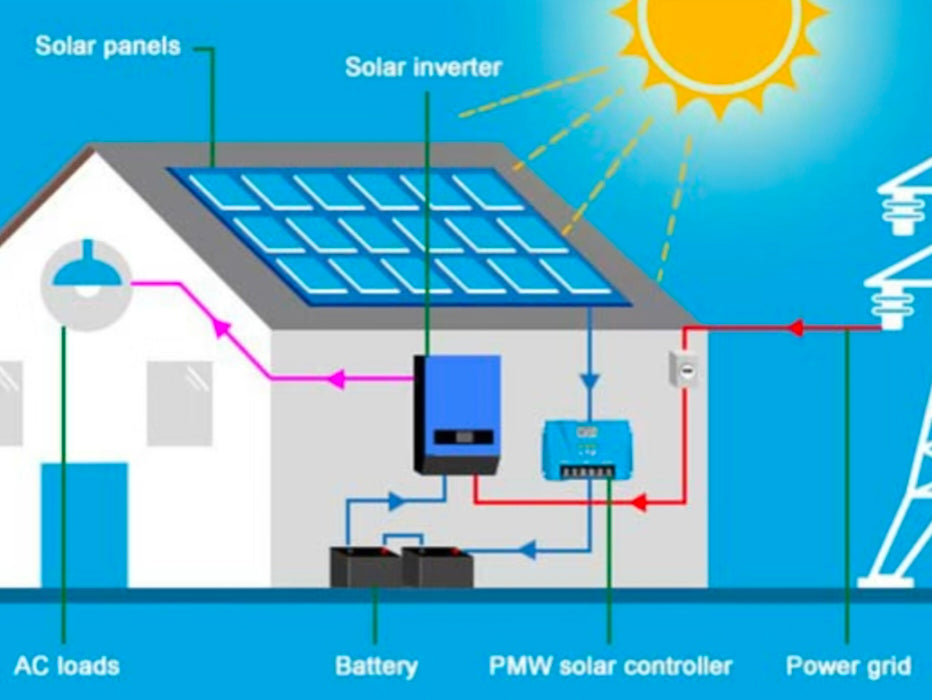
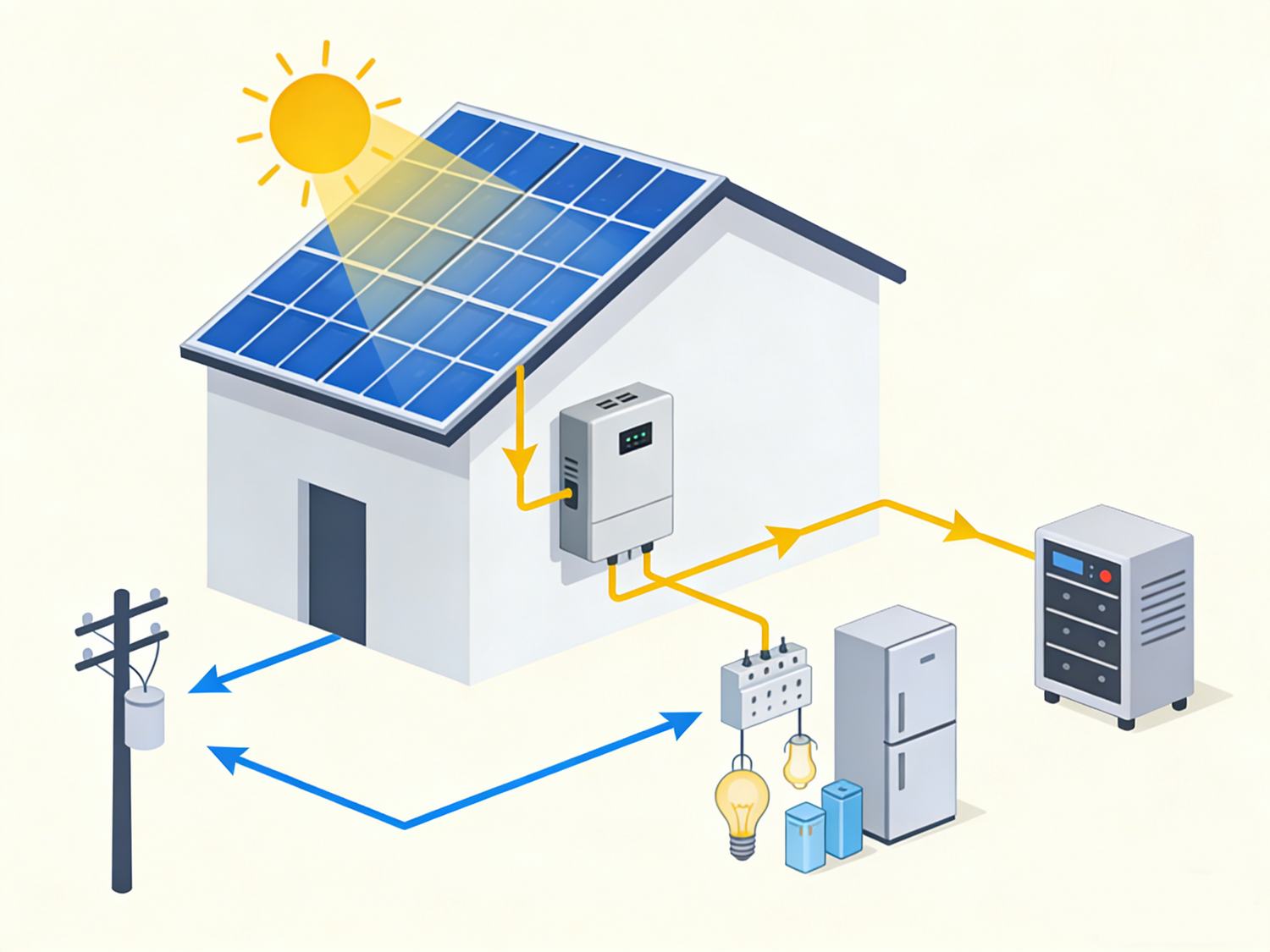
Understanding the need for on and off grid inverters is essential in maximizing the potential of renewable energy systems. On grid inverters, also known as grid-tied inverters, are designed to feed excess power generated by the renewable energy system back into the grid. This is particularly useful for homeowners and businesses who want to offset their energy consumption by selling excess power back to the grid, thereby reducing their electricity bills and contributing to a more sustainable energy grid. On the other hand, off grid inverters, also known as standalone inverters, are used in remote areas or locations where accessing the main power grid is not feasible. These inverters store excess energy in batteries for later use, providing a reliable and independent source of power.
One of the key advantages of using an on grid inverter is its ability to seamlessly integrate renewable energy systems with the existing power grid. As the demand for renewable energy continues to grow, on grid inverters play a crucial role in facilitating the transition towards a more sustainable energy infrastructure. By feeding excess power back into the grid, on grid inverters not only help reduce the strain on traditional power sources but also promote a more efficient and sustainable energy grid.
Off grid inverters, on the other hand, offer the advantage of providing a reliable and independent power source in remote areas or locations where access to the main power grid is limited. This is particularly beneficial for off grid residential properties, agricultural operations, and remote industrial facilities that require a dependable power source to meet their energy needs. Additionally, off grid inverters often come equipped with battery storage capabilities, allowing for the efficient utilization of excess power generated by the renewable energy system.
In conclusion, the need for on and off grid inverters in renewable energy systems is crucial for maximizing the potential and effectiveness of these systems. On grid inverters play a crucial role in integrating renewable energy systems with the existing power grid, while off grid inverters provide a reliable and independent power source in remote areas. Understanding the advantages of on and off grid inverters is essential in promoting the adoption and utilization of renewable energy systems, ultimately contributing to a more sustainable and environmentally friendly energy infrastructure.
The Benefits of On-Grid Inverters for Utilizing Renewable Energy
The use of on-grid inverters in renewable energy systems has become increasingly popular in recent years. These devices play a crucial role in converting the direct current (DC) generated by solar panels or wind turbines into alternating current (AC) that can be used to power homes and businesses. In this article, we will explore the numerous benefits of on-grid inverters for utilizing renewable energy, as well as how they compare to off-grid inverters.
One of the main advantages of on-grid inverters is their ability to seamlessly integrate with existing electrical grids. This means that any excess electricity generated by the renewable energy system can be fed back into the grid, providing a source of income for the system owner through net metering or feed-in tariffs. This not only allows for a more efficient use of renewable energy but also helps to offset electricity costs for the owner.
In addition, on-grid inverters offer a high level of reliability and efficiency. They are designed to maximize the power output of renewable energy systems and ensure that the generated electricity is of the highest quality. This is crucial for ensuring the smooth operation of electrical appliances and equipment powered by renewable energy.
Furthermore, on-grid inverters are often more cost-effective than off-grid inverters, as they do not require the installation of costly battery storage systems. This makes them a more accessible option for homeowners and businesses looking to adopt renewable energy solutions. In addition, on-grid inverters are generally easier to install and maintain, reducing overall maintenance costs over time.
On the other hand, off-grid inverters are designed for use in standalone renewable energy systems that are not connected to the electrical grid. While they offer the benefit of energy independence, they also come with limitations such as the need for battery storage and a higher upfront cost. In contrast, on-grid inverters offer a more practical and flexible solution for those looking to utilize renewable energy while remaining connected to the grid.
In conclusion, on-grid inverters offer numerous benefits for utilizing renewable energy, including seamless integration with the electrical grid, high reliability and efficiency, and cost-effectiveness. While off-grid inverters have their own advantages, on-grid inverters are a more practical and accessible option for most homeowners and businesses. By choosing the right inverter for their renewable energy system, individuals can maximize the benefits of clean and sustainable energy while reducing their reliance on traditional electricity sources.
The Advantages of Off-Grid Inverters in Ensuring Reliable Energy Access
In today's rapidly changing world, the demand for reliable energy access is greater than ever before. With the increasing popularity of renewable energy systems, it has become essential to ensure that energy access is not only sustainable but also reliable. One key component of renewable energy systems that plays a crucial role in ensuring reliable energy access is the on and off grid inverter.
On and off grid inverters are devices that play a critical role in converting DC power from renewable energy sources, such as solar panels or wind turbines, into AC power that can be used to power appliances and devices in homes and businesses. The advantages of using on and off grid inverters in renewable energy systems cannot be overstated, as they play a crucial role in ensuring reliable energy access.
One of the major advantages of using an off-grid inverter in a renewable energy system is that it allows for energy independence. Off-grid inverters are designed to operate without the need for a connection to the main utility grid, allowing individuals and businesses to generate and store their own power. This is particularly advantageous in remote areas or in instances where connecting to the main utility grid is not feasible. By using an off-grid inverter, individuals and businesses can ensure that they have access to reliable energy regardless of their location or the availability of the main utility grid.
Furthermore, off-grid inverters also provide a reliable source of power during grid outages. In instances where the main utility grid is down, off-grid inverters can continue to supply power to essential appliances and devices, ensuring that individuals and businesses have access to electricity when they need it most. This is particularly beneficial for businesses that rely on continuous power supply, such as hospitals, data centers, and critical infrastructure facilities.
In addition to the advantages of off-grid inverters, the use of on-grid inverters in renewable energy systems also offers significant benefits. On-grid inverters are designed to be connected to the main utility grid, allowing for the seamless integration of renewable energy systems into the existing power infrastructure. By using on-grid inverters, individuals and businesses can sell excess power back to the grid, reducing their energy costs and contributing to the overall stability of the grid.
Moreover, on-grid inverters also provide a reliable source of power during periods of high energy demand. By integrating renewable energy systems with on-grid inverters, individuals and businesses can contribute to peak shaving, reducing the strain on the main utility grid during peak energy demand periods. This not only helps to ensure a stable and reliable energy supply but also contributes to the overall efficiency of the grid.
In conclusion, the advantages of using on and off grid inverters in renewable energy systems are clear. Whether it is providing energy independence, ensuring reliable power during grid outages, or contributing to the stability and efficiency of the main utility grid, on and off grid inverters play a crucial role in ensuring reliable energy access. As renewable energy systems continue to grow in popularity, the use of on and off grid inverters will become increasingly important in ensuring a sustainable and reliable energy future.
Integrating On and Off-Grid Inverters for an Efficient and Sustainable Energy Solution
As the demand for renewable energy systems continues to grow, integrating on and off-grid inverters has become a popular solution for creating a more efficient and sustainable energy solution. In this article, we will explore the advantages of using on and off grid inverters for renewable energy systems, and how this innovative technology is revolutionizing the way we generate and consume electricity.
On-grid inverters are designed to convert DC power from solar panels or wind turbines into AC power that can be used to power homes and businesses. These inverters are connected to the grid, allowing excess energy to be fed back into the grid for credit or compensation. On the other hand, off-grid inverters are used in standalone systems that are not connected to the grid, such as in remote areas or for backup power systems.
One of the key advantages of integrating on and off grid inverters is the ability to maximize the use of renewable energy sources. By combining the two types of inverters, renewable energy systems can operate both on and off the grid, providing a reliable and continuous power supply. This versatility allows for a more seamless integration of renewable energy into existing electrical infrastructure, while also providing off-grid power solutions in areas without access to the main power grid.
Another advantage of using on and off grid inverters is the ability to store excess energy for later use. Battery storage systems can be integrated with these inverters to store excess energy generated during peak sunlight or wind conditions, allowing for a more consistent and reliable power supply. This stored energy can then be used during periods of low renewable energy production or during power outages, increasing the overall efficiency and reliability of renewable energy systems.
In addition to maximizing the use of renewable energy sources and providing energy storage capabilities, integrating on and off grid inverters also offers greater flexibility in energy management. With the ability to switch between on and off grid operation, renewable energy systems can adapt to changing energy demands and grid conditions. This flexibility allows for more efficient energy distribution and consumption, ultimately leading to cost savings and reduced environmental impact.
Furthermore, the integration of on and off grid inverters also contributes to a more resilient and stable energy infrastructure. By decentralizing energy production and distribution, renewable energy systems with integrated inverters are less vulnerable to disruptions in the main power grid. This enhances energy security and mitigates the effects of power outages, making renewable energy systems with on and off grid inverters a more reliable and sustainable energy solution.
In conclusion, integrating on and off grid inverters for renewable energy systems offers numerous advantages, including maximizing the use of renewable energy sources, providing energy storage capabilities, offering greater flexibility in energy management, and contributing to a more resilient and stable energy infrastructure. As the demand for renewable energy continues to increase, the use of on and off grid inverters will play a crucial role in shaping the future of energy production and consumption.
Conclusion: Leveraging On and Off-Grid Inverters for a Resilient Renewable Energy System
Renewable energy systems are becoming increasingly popular as a sustainable and environmentally friendly alternative to traditional energy sources. As the demand for renewable energy continues to grow, it is important to consider the most efficient and resilient systems for harnessing and utilizing this energy. One key component of a renewable energy system is the inverter, which is responsible for converting the DC power generated by solar panels or wind turbines into usable AC power for use in homes and businesses. In this article, we will explore the advantages of leveraging both on and off-grid inverters for a resilient renewable energy system.
On-Grid Inverters
On-grid inverters are designed to work in conjunction with the utility grid, allowing excess energy generated by a renewable energy system to be fed back into the grid for credit or compensation. These inverters are well-suited for systems that are connected to the grid and are an efficient way to maximize the use of renewable energy. On-grid inverters also provide a seamless transition from renewable energy to grid power during periods of low or no renewable energy generation. This can help to ensure a reliable and consistent source of power for homes and businesses.
Off-Grid Inverters
On the other hand, off-grid inverters are designed for use in standalone renewable energy systems that are not connected to the utility grid. These inverters are essential for powering remote locations or areas where grid power is not available. Off-grid inverters play a crucial role in storing and managing energy generated by renewable sources such as solar panels or wind turbines, and can also be used in conjunction with battery storage systems to provide a reliable source of power when renewable energy generation is low or non-existent.
Leveraging On and Off-Grid Inverters for Resilient Renewable Energy Systems
The combination of on and off-grid inverters offers a number of advantages for creating a resilient renewable energy system. By leveraging both types of inverters, it is possible to create a system that is not only efficient and sustainable but also able to adapt to changing energy needs and conditions. For instance, during periods of high renewable energy generation, excess energy can be fed back into the grid using on-grid inverters, while off-grid inverters can be used to store and manage energy for use during periods of low generation. This flexibility makes it possible to create a reliable and consistent source of power, even in remote or off-grid locations.
Furthermore, the combination of on and off-grid inverters offers a level of redundancy that can help to ensure the reliability and resilience of a renewable energy system. In the event of a grid outage or equipment failure, off-grid inverters can continue to provide power independently, allowing for uninterrupted energy supply. This redundancy can be especially important for critical applications such as medical facilities, telecommunications infrastructure, or emergency response operations.
In conclusion, leveraging both on and off-grid inverters is a valuable strategy for creating a resilient renewable energy system. By taking advantage of the unique capabilities of each type of inverter, it is possible to create a system that is efficient, reliable, and adaptable to changing energy needs and conditions. As the demand for renewable energy continues to grow, it is important to consider the advantages of using on and off-grid inverters for creating a sustainable and resilient energy future.
Conclusion
In conclusion, the advantages of using an on and off-grid inverter for renewable energy systems cannot be overstated. With the ability to seamlessly switch between grid-tied and off-grid modes, these inverters offer flexibility and reliability for both residential and commercial renewable energy systems. With 10 years of experience in the industry, we have seen firsthand the positive impact that these inverters can have on the efficiency and effectiveness of renewable energy systems. As we look towards a more sustainable future, the use of on and off-grid inverters will undoubtedly play a crucial role in the widespread adoption of renewable energy. We are committed to continuing to provide our customers with top-quality inverters to help them harness the full potential of renewable energy sources.